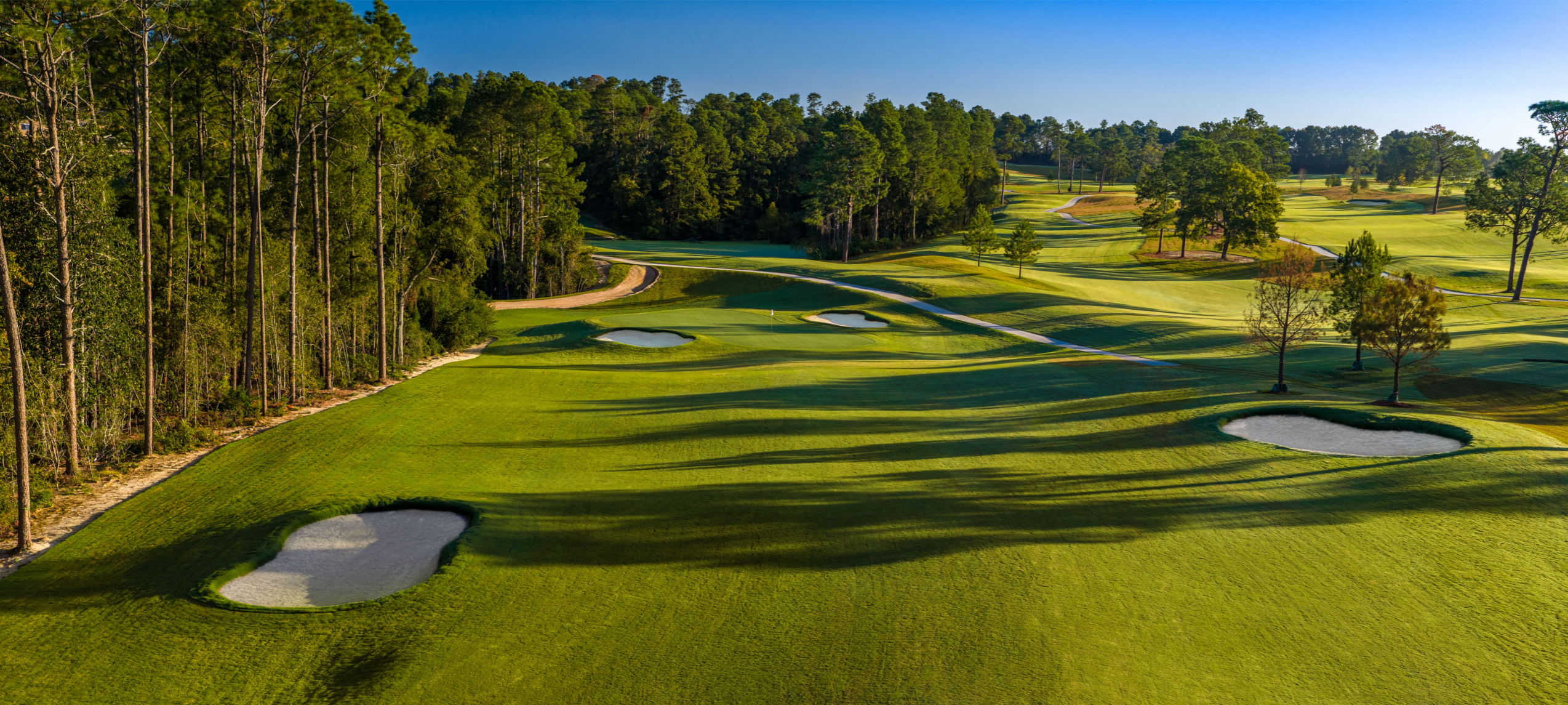
Augusta Municipal Golf Course, better known as “The Patch”, has been a part of the Augusta community since 1928. While the origin of the nickname is debated, in the June 10, 1965 edition of the Augusta Chronicle, sports editor Jim Martin wrote that sometime around 1951, a man named Charles J. O’Connor remarked to head professional Red Douglas that “this looks like a cabbage patch.” The affectionate moniker is also thought to refer to the cabbage garden that grew beside the 10th tee. Later on in the 90s, course conditions declined so severely at one point that a local rule was implemented allowing players to lift and place their ball on the closest “patch of grass,” further cementing the nickname.
Establishing Public Golf in Augusta
In 1917, the land on which The Patch, Daniel Field Airport and other surrounding landmarks now sit was transformed into Camp Hancock to prepare soldiers for World War I. The 1,777-acre parcel served as a temporary training camp, machine-gun training center and, finally, a demobilization center before being abandoned in 1919.
By the mid-1920s, golf had grown in popularity in Augusta. On July 7, 1927, the proposed creation of a municipal golf course was announced, and that day’s edition of the Augusta Chronicle stated: “One of the greatest needs of the city, from a recreation and amusement standpoint, is a municipal golf course, placing golf within the reach of the home people and the winter visitor who is not able to pay the price of playing on the Country Club and Forrest Hills-Ricker links.”
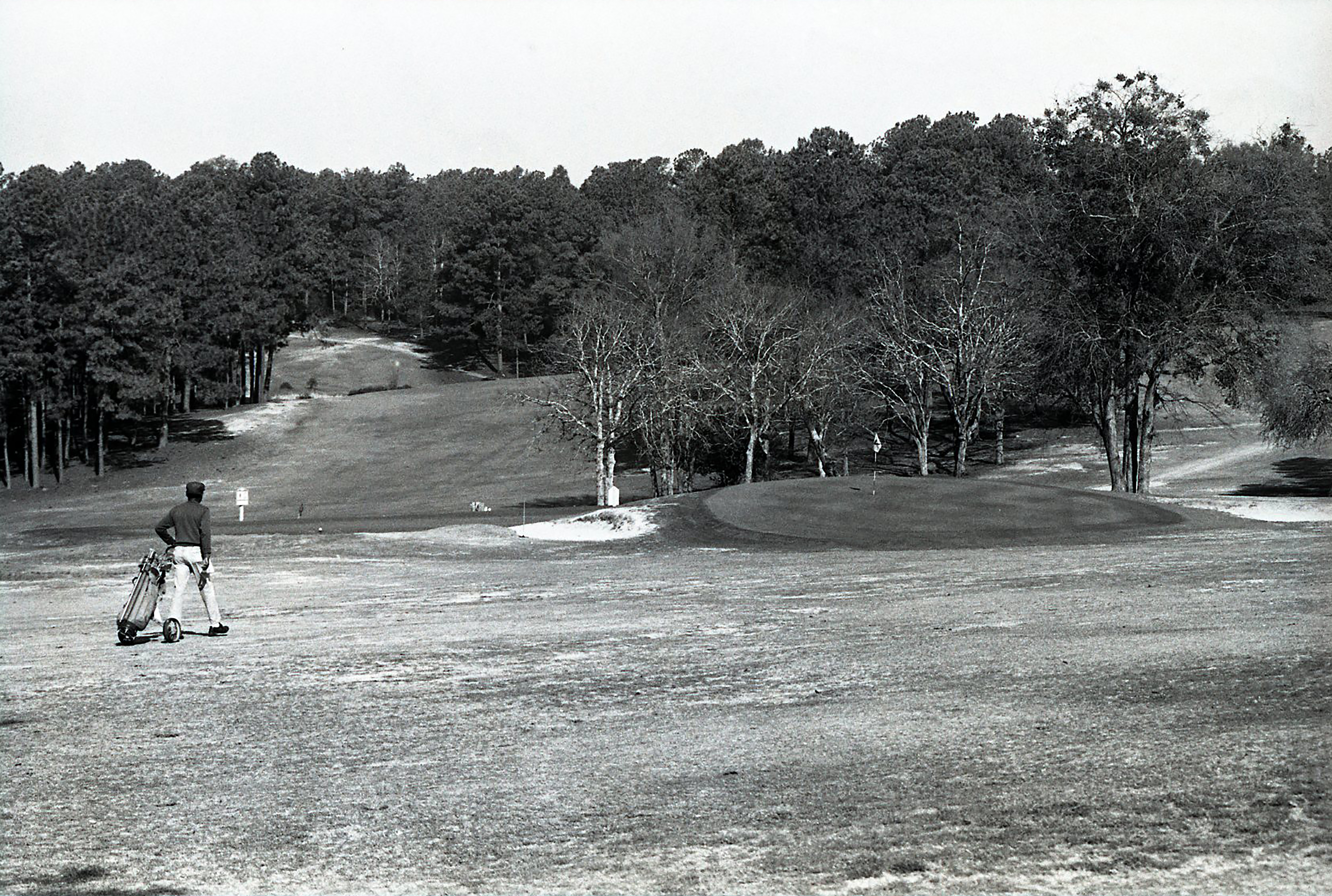
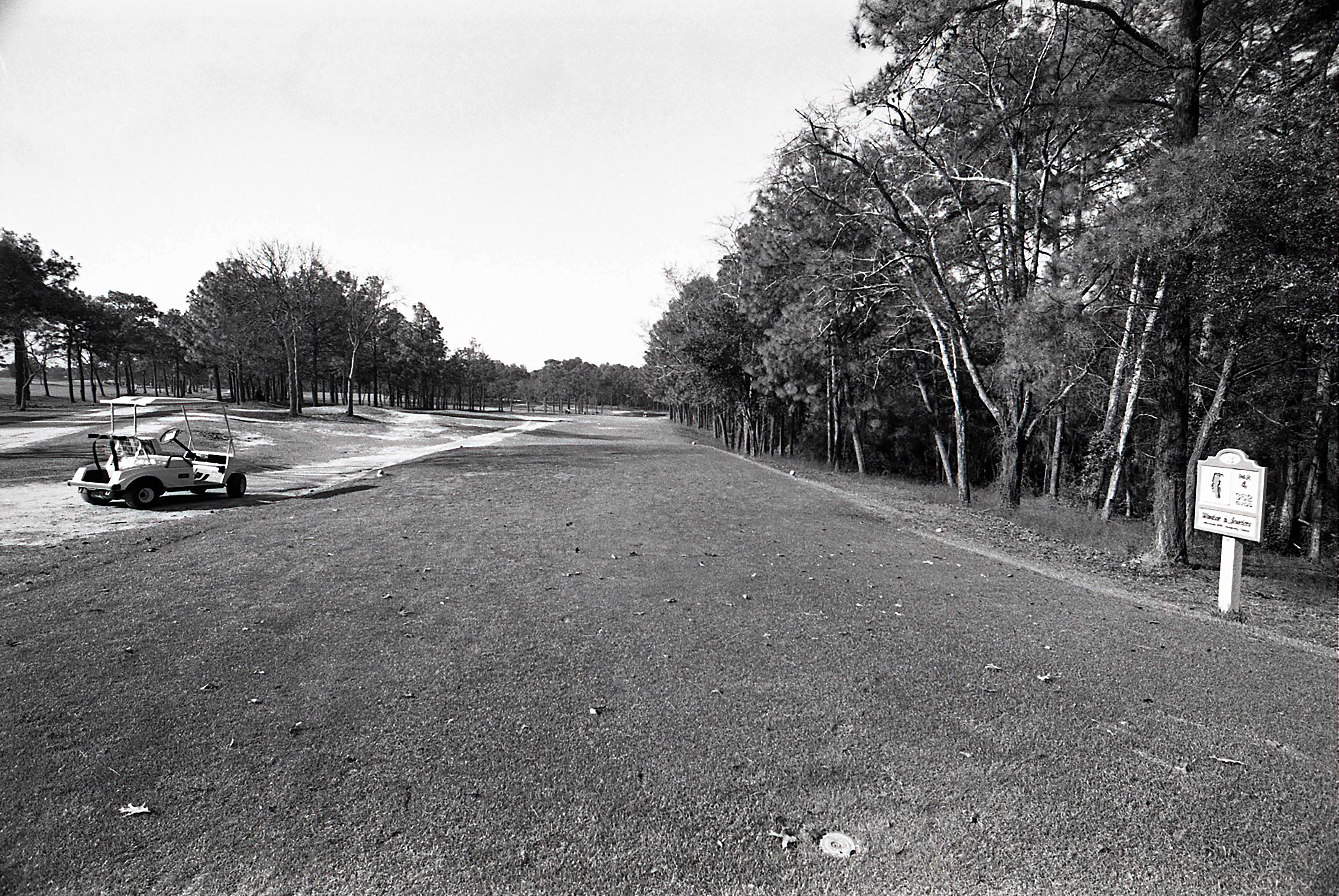
The David Ogilvie-designed Augusta Municipal Golf Course officially opened on December 20, 1928. The original layout featured nine holes and sand greens. The new course was so popular that it expanded to 18 holes the next year. The sand greens were eventually converted to grass from 1936-1937 as part of a Works Progress Administration (WPA) project during the Great Depression.
Rebuilding and Integrating
On February 9, 1947, the Augusta Chronicle recorded that due to the expansion of Daniel Field as an Army air base during World War II, the course was not used, and the article described it as having reached the peak of neglect. In order to return it to playable conditions, the entire layout had been rerouted and repaired.
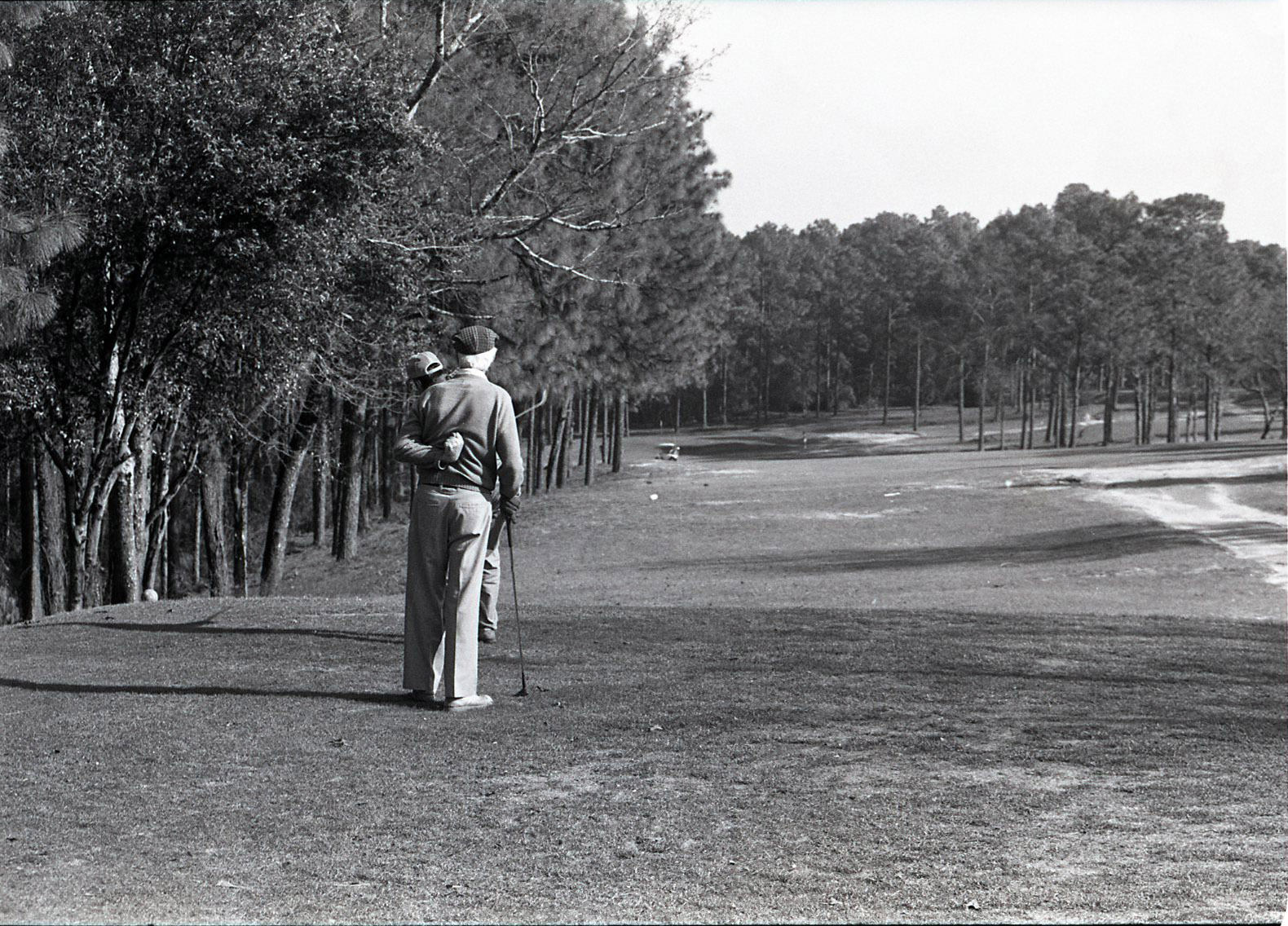
In 1946, Lawson “Red” Douglas was named head golf professional, just a month prior to The Patch’s reopening. Six years later in 1952, Douglas began leasing the course from the city. He and his family would go on to operate the course for the next 41 years. Over that time, The Patch continued its evolution into a place where all could enjoy the game.
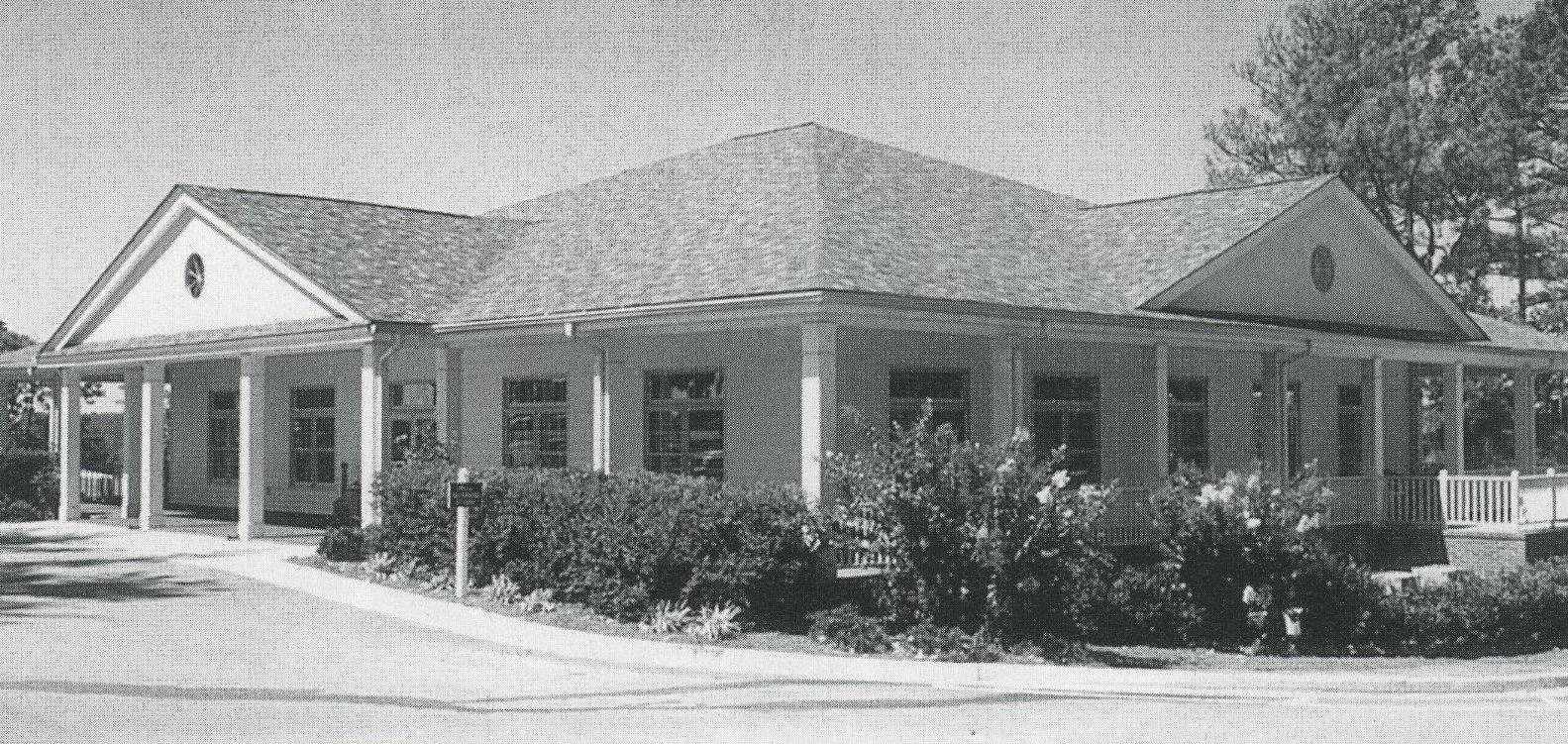
Many people worked for years to integrate the city of Augusta and The Patch, including the local chapter of the NAACP, leaders like Rev. C.S. Hamilton and attorney John Ruffin, as well as Clois Herndon, John Elam, Maurice Thompson, Raymond Jenkins, Herman Ewing, Luther McDaniel and R.S. Weston. Some contributed to this effort by repeatedly showing up to play while others lent their names to litigation that challenged opposition to the newly-passed Civil Rights Act. The Patch was officially integrated in May 1964, with Herndon, Elam, Thompson and Jenkins credited as the first Black golfers to officially play the course.
A Gathering Place
The Patch quickly grew into a gathering place for the community, including local caddies. One of the most well-known was Jim Dent, who was introduced to the game as a young caddie at Augusta Country Club and Augusta National. He went on to compete on the PGA Tour for nearly 20 years and win 12 times on the PGA Tour Champions, cementing his legacy as a legendary figure in the game of golf.
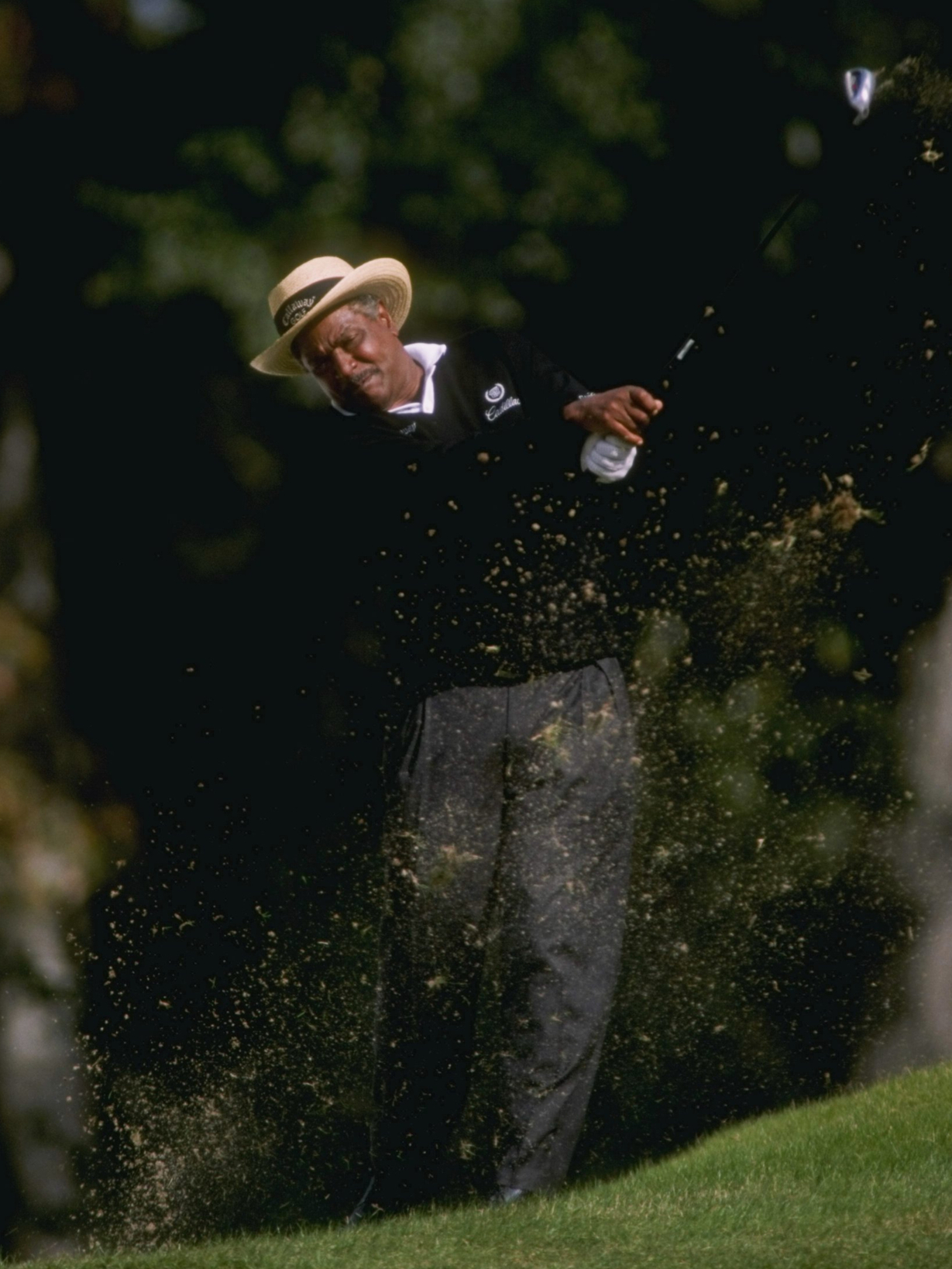
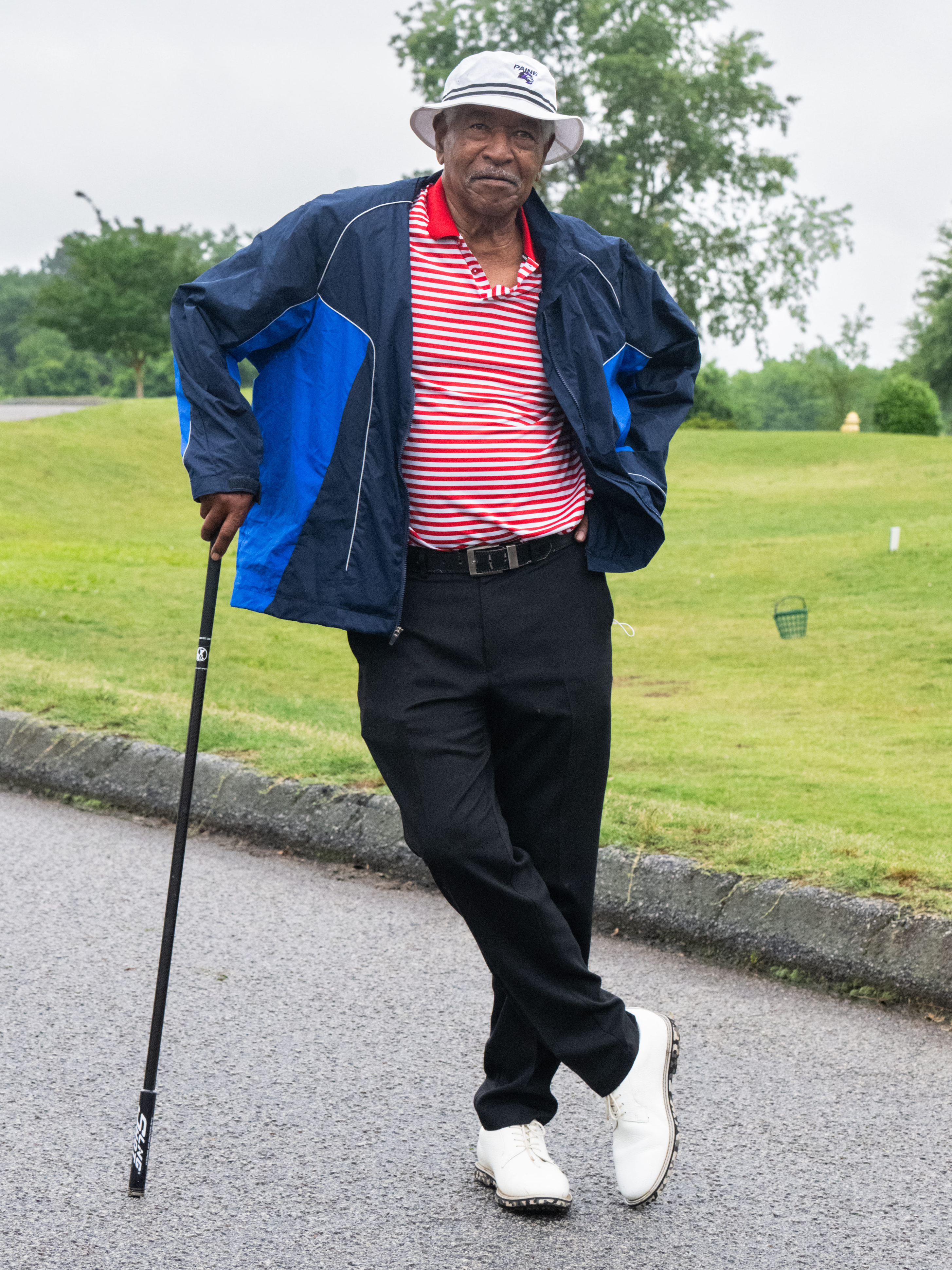
The Patch also became a place that fostered the growth of the game for the next generation. In December 1999, ground was broken on the construction of a new First Tee of Augusta facility on Damascus Road. The 40-acre property would include six holes created by Arnold Palmer Design as well as a training facility. The First Tee of Augusta still operates at The Patch today, offering kids a chance to learn skills for golf and for life.
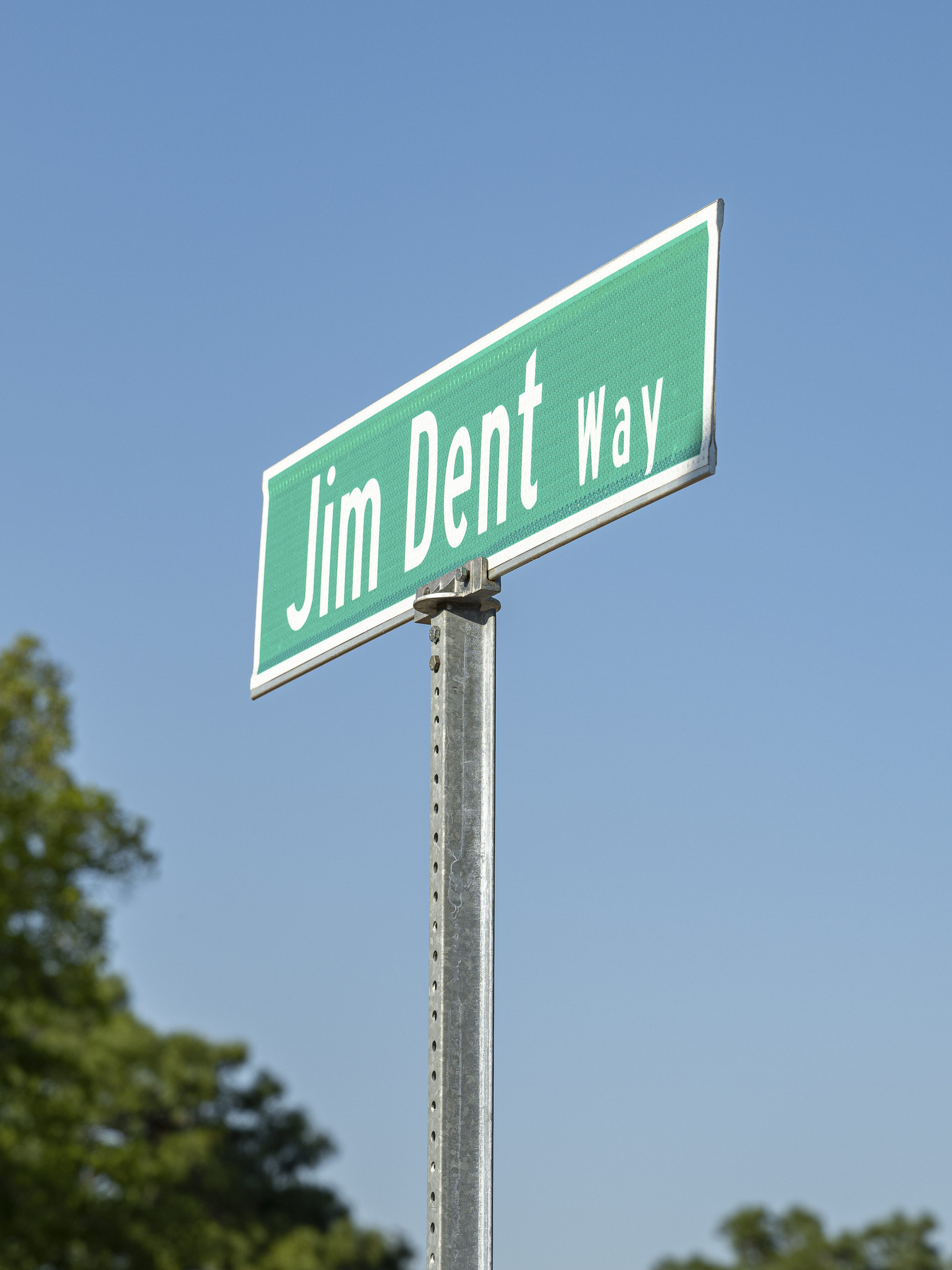
In 2020, the road entering The Patch was renamed Jim Dent Way. Prior to his passing in May 2025, Dent said in a 2024 interview, “The Patch means a lot to me because it was the first place where the city (of Augusta) had enough pride to put my name on the road. And it means a lot to me to see my name someplace where someone thought a lot of you.”
Reimagining The Patch
On April 5, 2023, Augusta National Golf Club Chairman Fred Ridley announced the Club’s support of a partnership with the Augusta Municipal Golf Course, First Tee of Augusta and Augusta Technical College to “usher in a new era for public golf in our city”.
A lease agreement was finalized one year later. That fall, in September 2024, Hurricane Helene devastated the city of Augusta, knocking down 90 percent of the trees on property. The course officially closed in December of that year to begin the renovation led by two of golf’s most respected course architects, Tom Fazio and Beau Welling, who looked to reimagine the course while also paying homage to the original design.
In April 2025, Chairman Ridley announced, “I’m thrilled to share the news that Tiger (Woods) will lead the design of a short course as part of our redevelopment of the Augusta Municipal Golf Course, commonly known as The Patch.” The new 9-hole course, called The Loop at The Patch, pays tribute to the caddies who have used the course as a gathering spot for decades.
The renovation, completed throughout 2025 and into early 2026, prepared the course for its spring 2026 opening, providing the Augusta community with a restoration of its storied municipal course.